Over the course of history, some structures and locations have evolved beyond their original function to become symbols for human achievements, resilience and cultural identity. They are not just modern wonders or ancient stones; these landmarks have a powerful impact on future generations. Explore them to take a journey into history and discover the beliefs, ingenuity and struggle of the people who lived before you.
The Great Wall of China – A Dragon across the Land
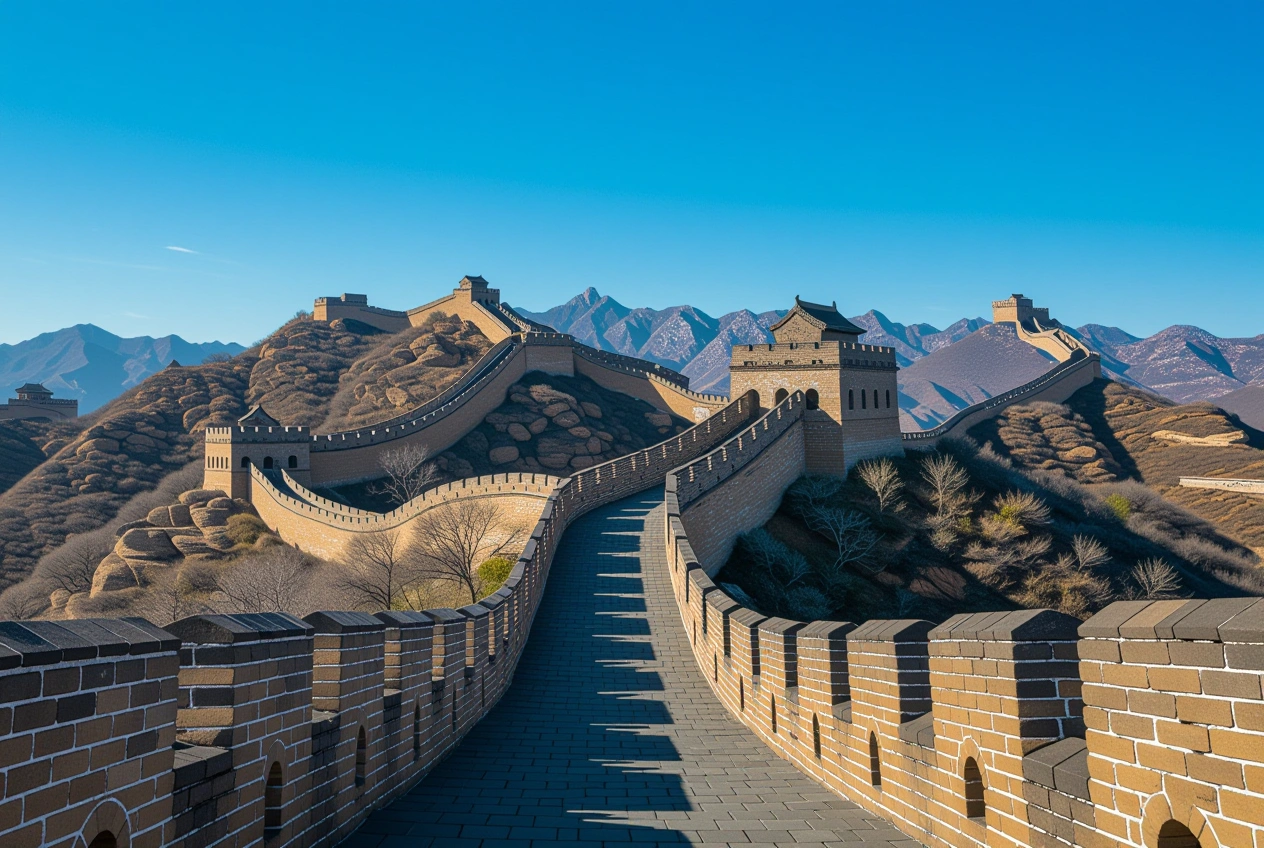
The Great Wall of China stretches thousands of kilometers through northern China. It is one of the most impressive engineering feats of all time. It was built to defend Chinese empires and states from nomad incursions between the 7th and 17th centuries AD. The Wall is a national symbol that represents the Chinese spirit, strength and resilience. The sheer size of the Wall and the enormous human effort that went into its construction continues to amaze visitors around the world.
The Pyramids of Giza – Monuments to Eternity
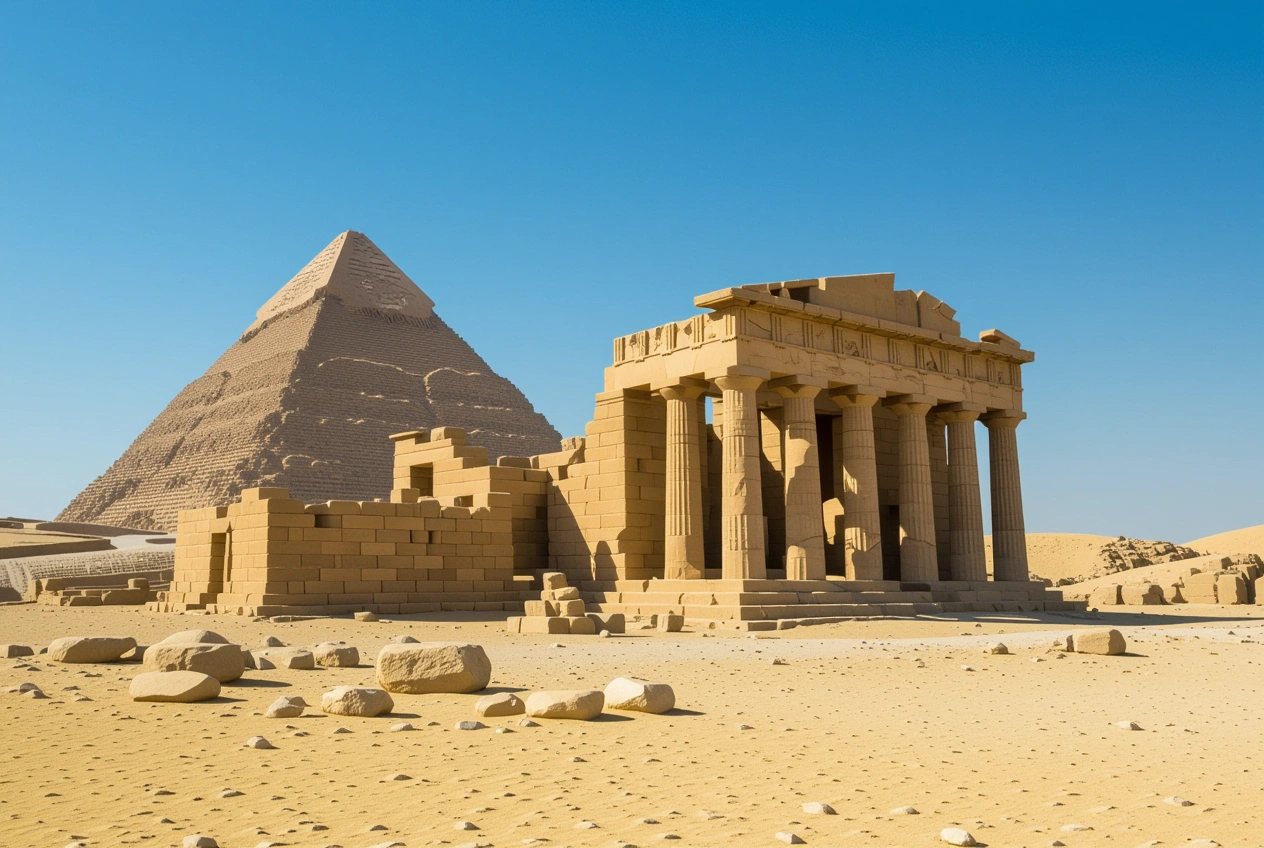
The Pyramids of Giza are located on the Giza plateau near Cairo in Egypt. They include the Great Pyramid of Khufu as well as the Pyramid of Khafre and the Pyramid of Menkaure. These structures were built as tombs of pharaohs in the Old Kingdom period (c. 2580-2560 BC). They are amazing examples ancient Egyptian engineering and architectural prowess. These structures reflect the Egyptian belief in an afterlife, and their rulers’ divine status. Since millennia the pyramids are enigmatic signs of ancient power and knowledge about astronomy, as well as an civilization’s search for immortality. They continue to be a source of wonder, which is why they inspire scholarly research into their building methods and purposes.
The Roman Colosseum – Echoes from an Empire
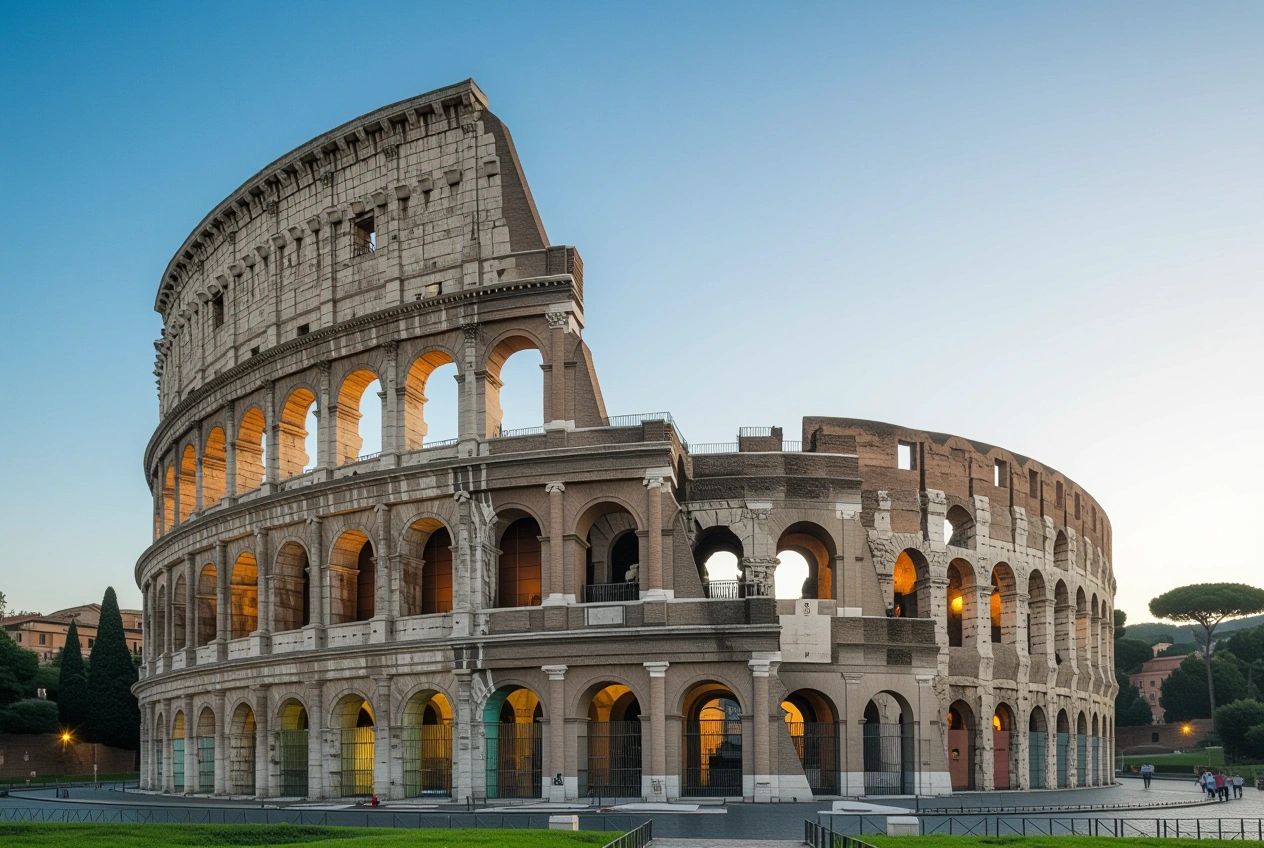
The Colosseum or Flavian Amphitheatre is a spectacular ruin in the center of Rome. It evokes the brutality and grandeur of the Roman Empire. This colossal stadium, completed in 80 AD and able to hold up to 80,000 people, was used to host gladiatorial competitions, animal huntings, public executions, mock naval battles, etc. The Colosseum is a masterpiece of Roman engineering. It uses arches and concrete in an unprecedented way. The Colosseum, which is a symbol of Roman engineering, has influenced Western culture for centuries. Its complex social structure and iconic design are still visible today, attracting millions of tourists each year to reflect on its history.
Machu Picchu, the Lost City of the Incas
The stunning citadel of Machu Picchu, perched in the Andes Mountains near Peru is an example of Inca urban planning and engineering. It is unclear what its original purpose was, but it may have been a sacred site or a royal residence. Machu Picchu was rediscovered in 1911 by people from outside the region. It is a fine example of dry-stone architecture, with massive stones being fitted without mortar. Machu Picchu’s spiritual aura and dramatic location, as well as the mystery of its abandonment and creation, make it an important symbol for the pre-Columbian advanced civilizations in South America.
The iconic monuments of the world, whether they are ancient wonders or the symbols that have endured for centuries, provide invaluable insight into human history. These iconic landmarks remind us of the past and how civilizations developed. They also show the legacy that we have inherited. These sites enhance our knowledge of culture, history and the place we occupy in the universe.
Recommendations for General Use
We recommend the following resources for more information on these historical sites and others:
- UNESCO World Heritage Centre : Official site of the United Nations Educational, Scientific and Cultural Organization World Heritage List, which details sites with outstanding universal values.
- National Geographic History Provides articles, photos, and videos about historical events, civilisations, and archeological discoveries.
- Smithsonian Magazine: History: Offers interesting content about historical topics, ancient culture, and important landmarks around the world.