It’s not just about finding something that is fun for your child. You also want to ensure safety, foster development and encourage creativity. It can be difficult to find items for children of any age that will engage them and benefit their development in a world full of options. The market offers innovative solutions that enrich the childhood experience, from the very beginning of development to just before the teenage years.
Consideration in product selection is important
Each product that a child uses contributes to his or her growth. Well-designed, safe toys can improve motor skills, cognition, emotional learning and imagination. In order to ensure that children’s play is positive and productive, parents and guardians increasingly look for toys and tools that are not just entertaining but that also inspire and educate.
The Age-Appropriate Guide:
To select the best product, it is important to understand developmental milestones. Below is a list of safe and engaging products for different age groups.
-
Infants & Toddlers (0-3 years)
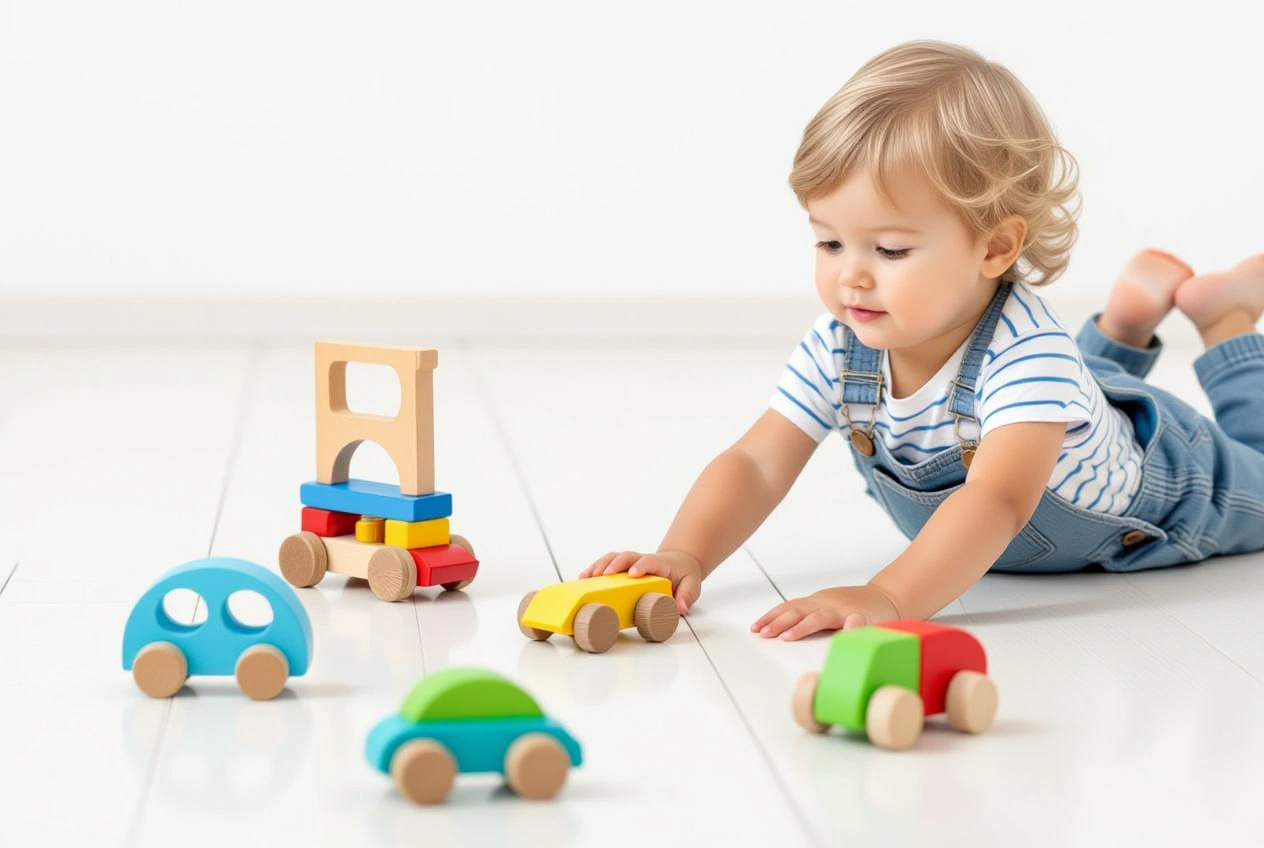
Sensory stimulation and gross-motor development is paramount for the youngest of explorers. Search for large, non-toxic items that can be easily grasped and are safe to eat. Soft activity mats and sturdy boardbooks, as well as simple shapes sorters, push-pull toy, and stackable rings are all examples. Safety tip: Check for any choking hazards, and make sure that the materials you use are BPA and phthalate free.
-
Preschoolers (3-5 Years):
The development of fine motor skills and imaginative play are important for this age group. These products include building blocks such as LEGO Duplo and washable art materials (crayons or paints), playsets (kitchens or doctor kits), simple puzzles, and pretend play sets. They encourage role-playing and solving problems.
-
Early elementary (6-9 years)
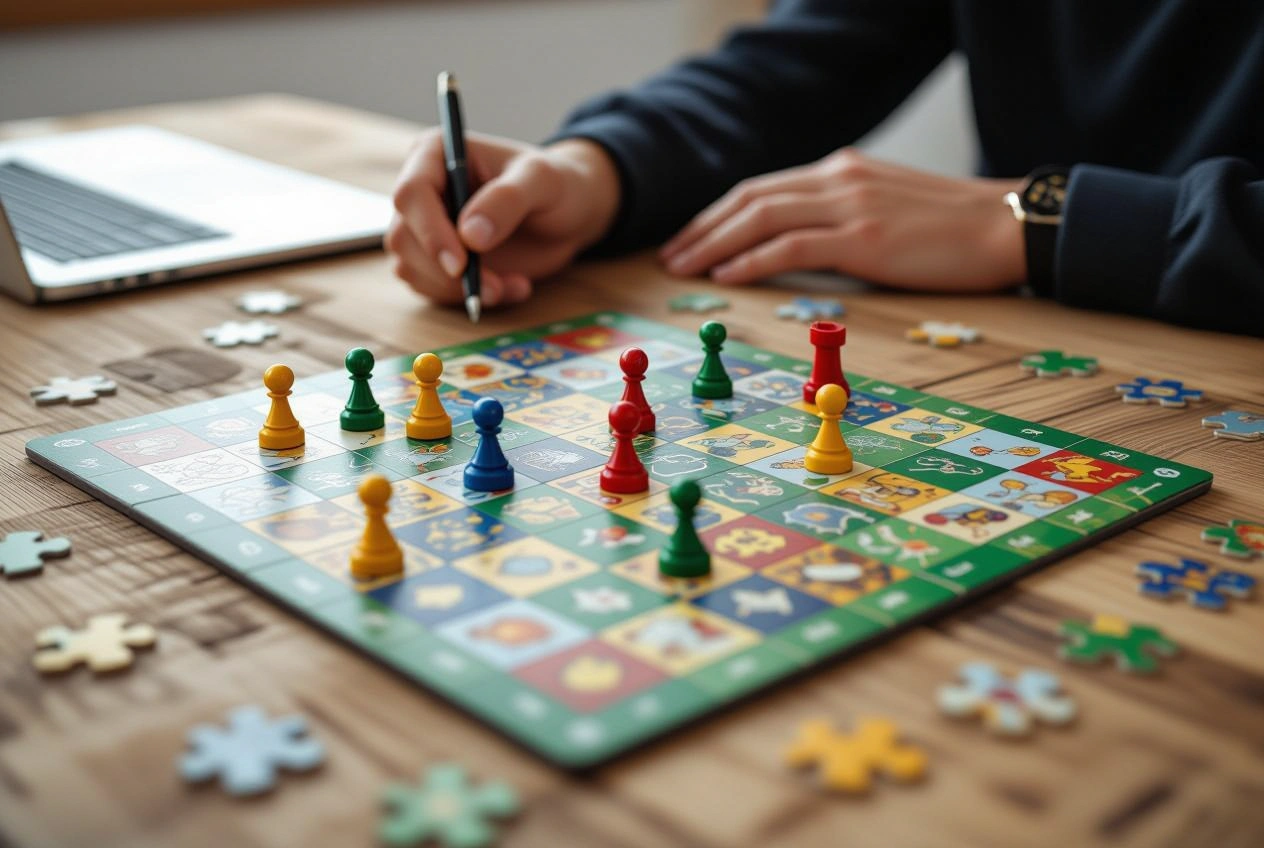
The children in this age group are now ready to take on more challenging challenges, and they enjoy playing together. These include complex LEGO sets, science kits for beginners (such as crystal-growing kits or simple circuits), strategy board games and sports equipment such as soccer balls or jumping ropes. They encourage critical thinking, social interaction, and patience.
-
Pre-Teens (10-12 Years):
Interests of children change as they approach adolescence. Ideal products are those that promote advanced problem solving, hobbies and deeper engagement. You can choose from advanced robotics kit, coding game, jigsaws of varying complexity, outdoor adventure gear and STEM kits that focus on environmental or engineering science. There are many brands that offer AR-enhanced games which combine physical play with digital.
Important considerations for parents and guardians
Keep these factors in mind when selecting products:
- Safety Certificates: Verify that the product meets international safety standards, such as ASTM F963 in U.S. or EN 71 in EU. The certifications guarantee that the products do not contain harmful chemicals or have design defects.
- Value for Education & Development: Give priority to items that promote learning, creativity and critical thinking. Toys that are open-ended and can be used multiple ways offer lasting value.
- Durability and Sustainability: Choose products made of durable materials that will withstand vigorous play. As the trend for sustainable materials continues to increase, eco-friendly choices are available.
- Replayability & Engagement: Best products engage children for long periods of time and are able to be played repeatedly by the child without losing appeal.
- Screen Time Balance: Digital toys are great, but they should be balanced with outdoor, creative and physical play. This will support holistic development.
Current Trends and Innovations: Up to November 2025
Children’s products are a dynamic market, and several trends have emerged to shape the offerings.
- Integration of STEM/STEAM for older students: You can expect to see kits with more advanced interfaces that will introduce concepts such as AI, advanced robots and sustainable engineering.
- Emotional intelligence is a growing focus: More and more products are being developed to teach children how to express their emotions, develop mindfulness or empathy.
- Diverse & Inclusive Representation There is a strong push to promote toys and media which reflect more cultures, abilities and identities.
- Outdoor and Nature Exploration: A renewed emphasis on products to encourage outdoor adventures, nature observations, and physical activities, from sophisticated bug-catching sets to durable outdoor fort building sets.
- Subscription boxes: Monthly subscription boxes that are tailored for specific age and interest groups remain popular. They offer a convenient, easy way to find new products.
In the end, it is important to choose products for children that will inspire them, encourage their growth and promote their wellbeing. Parents can select products that are age appropriate, safe, and have developmental benefits. This will help create positive memories for their children and make a significant contribution to the child’s discovery journey.
General Recommendations
Visit these trusted resources for more information about toy safety, development play and product reviews:
- U.S. Consumer Product Safety Commission: Consumer Product Safety Commission is responsible for all toy recalls, guidelines and safety.
- HealthChildren.org, American Academy of Pediatrics: Expert advice about child development and play.
- Toy Association : Provides insight into trends in toys, safety and play value.