Finding Iconic Landmarks – Pillars of History and Culture
Iconic landmarks are silent witnesses of the history of mankind, from ancient marvels to monuments that testify to human innovation. They are not just monuments; they contain stories, identities and the spirit of past civilizations. Explore them to discover our common heritage. You will learn how they lived, what their beliefs were, and the legacies left behind.
This summary highlights the importance of these historical sites and any recent notable developments that may occur up until late 2025.
Pyramids of Giza in Egypt
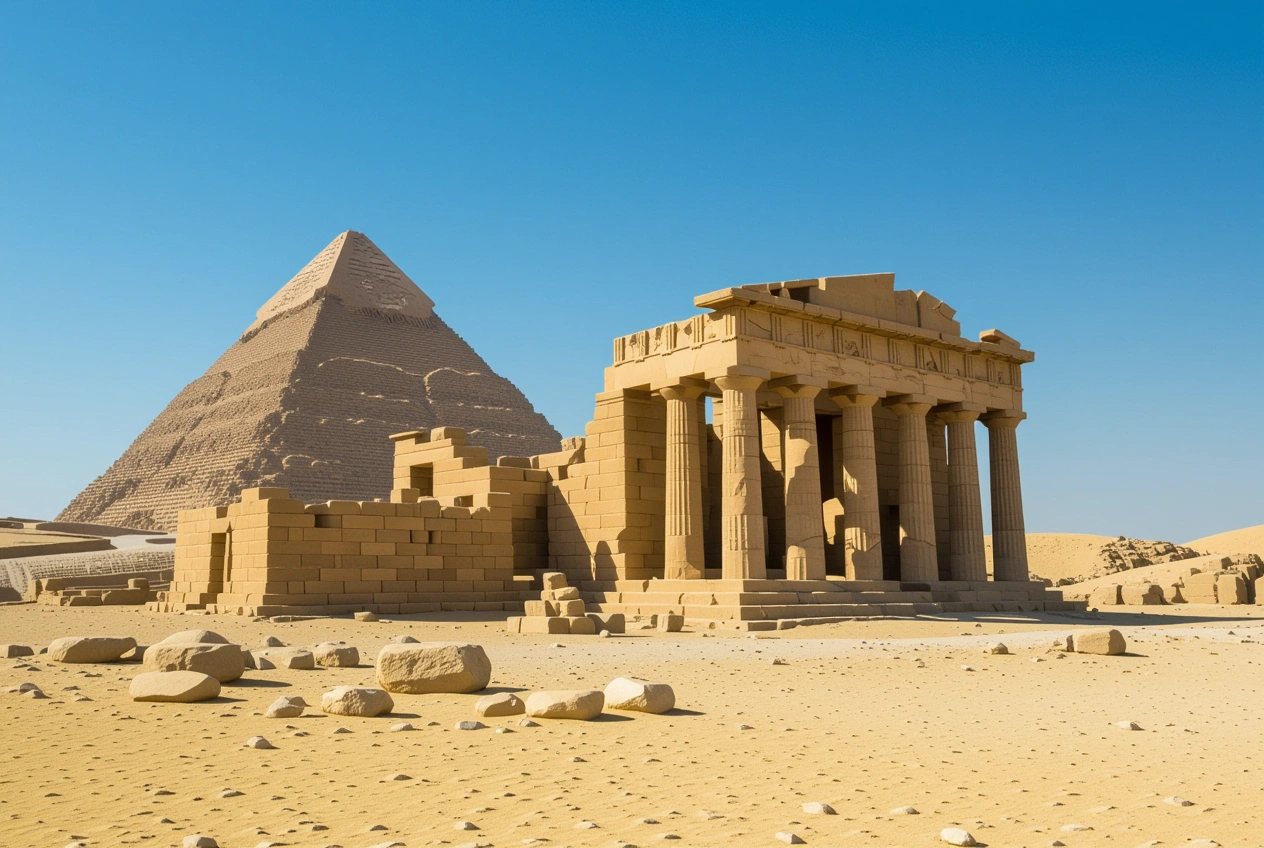
The Pyramids of Giza and the Great Pyramid of Khufu dominate the landscape of desert near Cairo. They are among the greatest architectural achievements of ancient times. These monumental tombs, built over 4,500 ago for the pharaohs, represent ancient Egyptian engineering and astronomical expertise, as well as religious beliefs. The construction of these tombs involved the movement and placement of millions massive stones with amazing precision. This mystery continues to intrigue researchers.
- Impact on History: An example of one of the earliest, most powerful civilisations in human history. Influenced architecture and burial customs.
- Significance in Culture: A symbol that is a part of Egyptian culture, which appears prominently throughout art, literature and popular culture.
- Latest Developments (up until Nov 2025). The ongoing archaeological work on the Giza plateau is continuing to uncover new discoveries, expanding our knowledge of the lives of the builders. In late 2024, virtual reality and digital reconstructions were launched to provide a more immersive experience for audiences around the world.
Great Wall of China
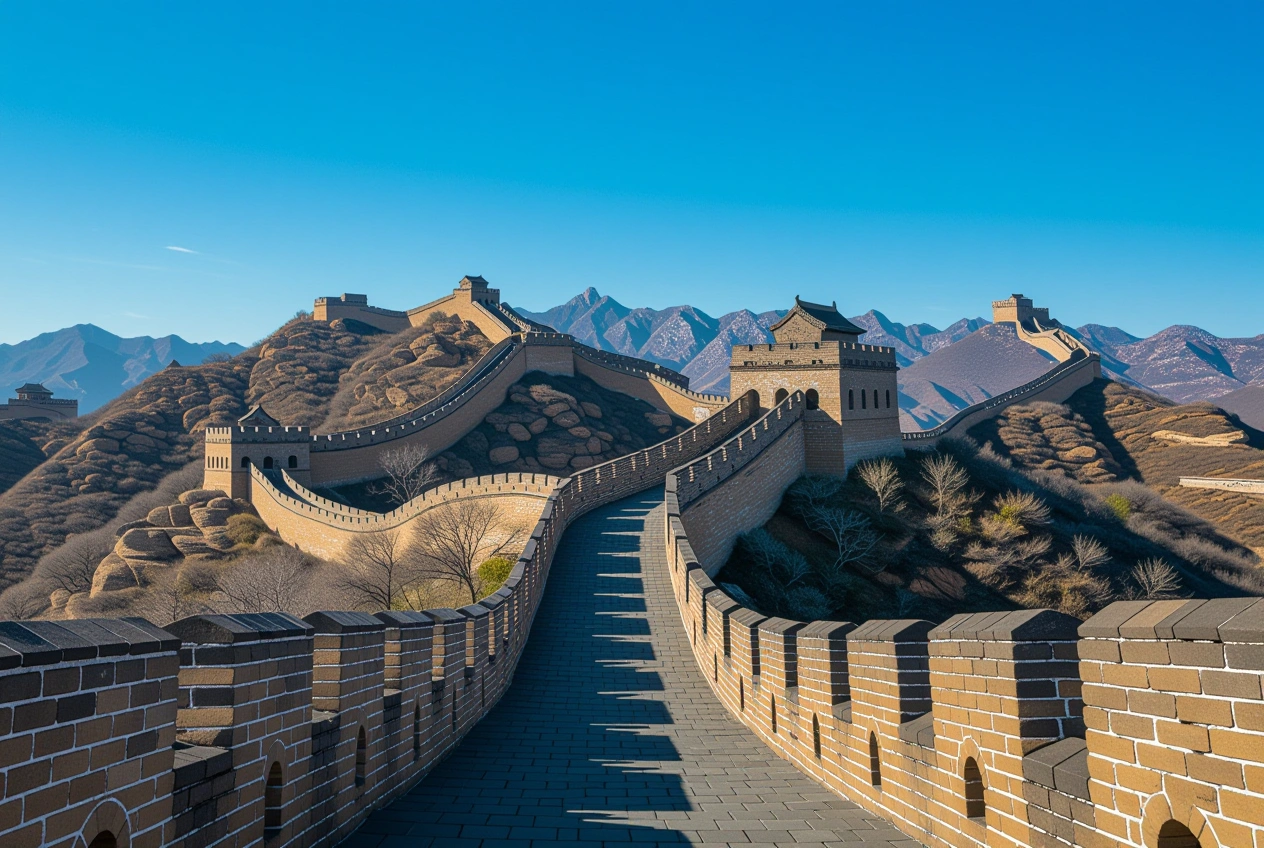
The Great Wall of China stretches thousands of miles through northern China. It is not one continuous structure, but rather a collection of fortifications that have been built by different dynasties throughout the past two millennia. The Great Wall was built to defend the Chinese empires and states against the nomadic invasions of the Eurasian Steppe. The largest structure ever built by man, it represents the combined efforts of human beings, strategic thinking and resilience.
- Impact on History: An impressive defense system which has shaped East Asia’s geopolitical map for many centuries. It represents China’s isolationist history and its self-protection.
- Significance in Culture: An important national symbol for China that represents its history, persistence, and unity.
- Recent developments (up until Nov 2025). Important restoration projects, especially in the less-visited areas, are constantly underway. They focus on maintaining original materials and methods. In order to better monitor the vulnerable areas, new drone surveillance systems will be implemented by 2025.
The Colosseum in Rome, Italy
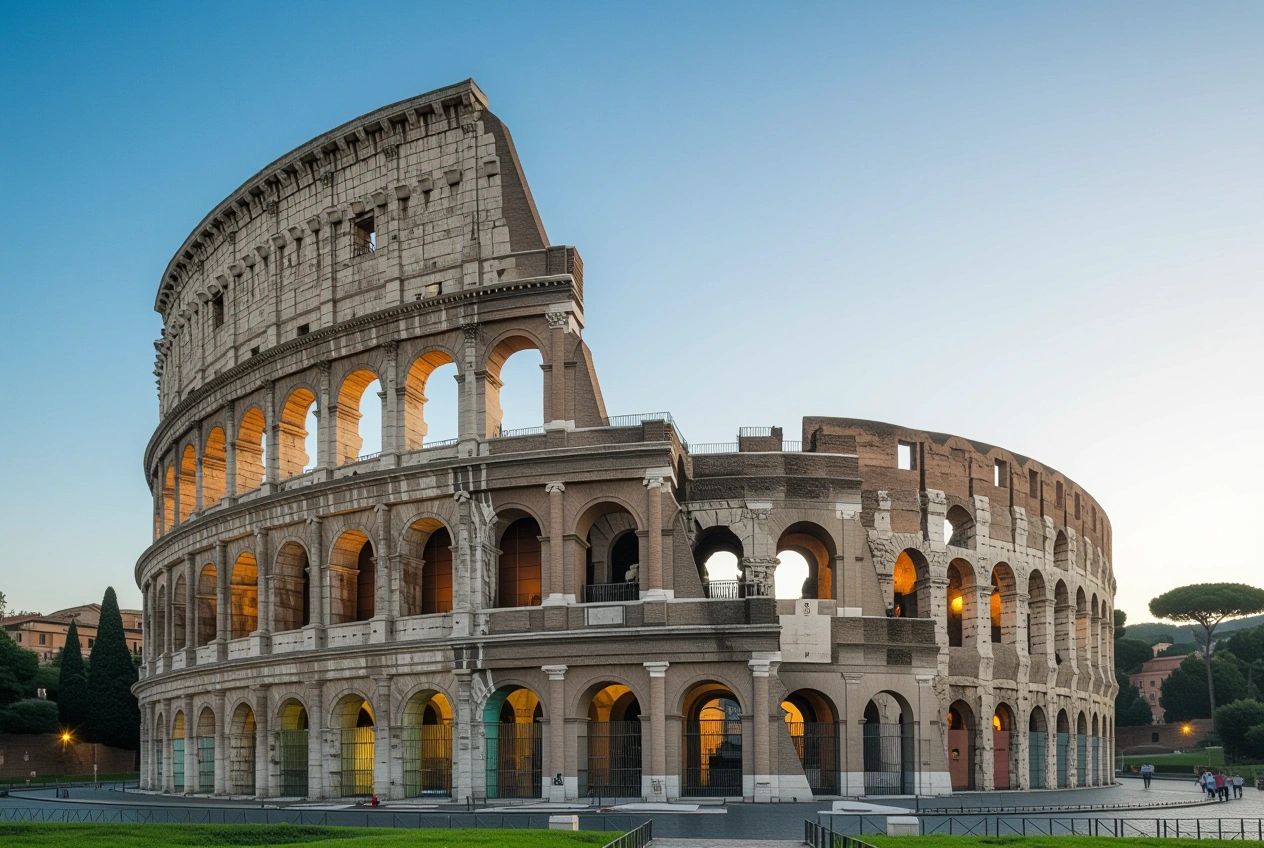
This iconic Colosseum is a symbol of Imperial Rome’s grandeur and power. This massive arena, which was completed in 80 AD and could hold over 50,000 people, hosted gladiatorial competitions, animal huntings, public displays, mock sea battles, etc. The Roman Empire’s engineering genius is evident in its innovative design. It features a system of trapdoors and underground passages.
- Impact on History: The central place of Roman life, entertainment and public life, displaying the engineering abilities, social hierarchy and brutality of Roman culture.
- Cultural Importance: A global icon for Rome’s imperial legacy and its enduring cultural significance, which has inspired countless architectural works and artistic creations.
- Recent developments (up until Nov 2025). The extensive restoration phase continues, and the arena’s floor is partially rebuilt to give visitors an authentic feel of its scale. The new underground tours, which allow access to areas that were previously closed off, such as the hypogeum, where animals and gladiators awaited death, will be expanded and improved through 2024-2025. This allows visitors to gain a deeper understanding of its operation history.
Machu Picchu, Peru
Machu Picchu, an Inca citadel nestled in the Andes Mountains is a stunning feat of engineering with a spiritual meaning. It is not clear what the purpose of Machu Picchu was. However, it’s believed that this ancient Inca citadel, built around 1450 AD, and abandoned one century later, during the Spanish Conquest, may have been either a royal residence or sacred religious site. The intricate construction of dry stone, which is perfectly integrated into the landscape, demonstrates the Incas’ profound knowledge about astronomy, agriculture, and agronomy.
- Impact on History: An amazing representation of the advanced Inca civilisation, providing invaluable insight into its societal structure and beliefs.
- Significance in Culture: One of the world’s most famous archaeological sites, it is celebrated for its mystic beauty and historic intrigue.
- Recent developments (up until Nov 2025). In order to manage and protect the delicate ecosystem and the growing tourist population, stricter visitor quotas, timed entry and expanded restoration programs in the cloud forest surrounding the site have all been implemented. The site’s water management and agricultural terraces are still being studied. New findings will be revealed in 2025 about the sustainable Inca practices.
They are essential tools for education that help us connect to our past. These landmarks remind us about the creativity and resilience of mankind, as well as their diverse civilizations over millennia. Understanding and protecting these sites are crucial to appreciating the collective story of humanity.
General Recommendations
We recommend that you consult the following reliable resources for more detailed information, and plan your visit to these amazing historical sites.
- UNESCO World Heritage Centre : This is the official website for World Heritage Sites. It provides comprehensive information on their importance and preservation.
- National Geographic Travel : Contains extensive articles, stunning photographs, and travel guides to historical and cultural destinations worldwide.
- Google Arts & Culture : Offers high-resolution photos, virtual tours and historical contexts for a variety of cultural and historic institutions.