Explore Iconic Landmarks that Shaped History and Culture
Certain places, throughout human history have been silent observers and active participants of the drama unfolding in civilization. They are not just old stones or large structures. These landmarks have become powerful symbols and repositories for knowledge. Exploring these historic spots, from monumental engineering feats to sacred sites offers an insightful journey into the human history.
Pyramids of Giza in Egypt
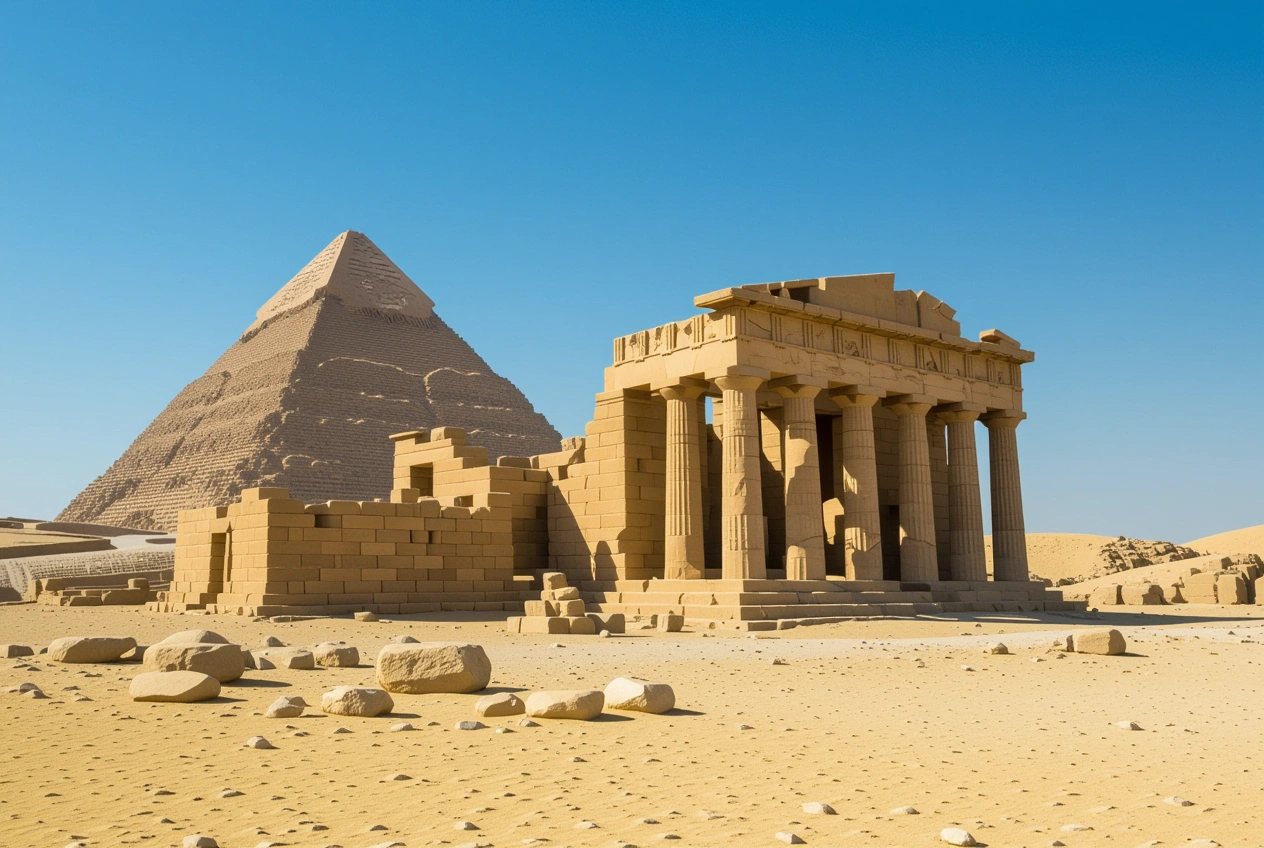
The Great Pyramid of Khufu is one of the most impressive ancient structures. It stands majestically in Giza on the plateau. These colossal structures were built over 4,500 ago to serve as tombs of pharaohs. They are testaments to ancient Egyptians’ advanced mathematical and architectural skills. These monuments reflect an advanced belief system that was centered around the afterlife, and on the pharaohs’ divine status. They have shaped religious and social structures over millennia. The sheer size and mystery of these structures continue to fascinate and inspire modern thinking.
Insights from Recent Expeditions (November 2025). The Giza Necropolis has continued to be revealed by recent archaeological expeditions using advanced technologies such as ground-penetrating radiography and muon imaging. Since 2017, no new major chambers have been discovered within the Great Pyramid. However, ongoing research has concentrated on surrounding worker’s villages and satellite graves. In late 2024, the Sphinx’s ancient paint scheme was digitally reconstructed, giving a vivid, but speculative glimpse of its appearance. This reconstruction, which is widely available through virtual reality platforms, offers a lively, though speculative look at the Sphinx’s past. The conservation efforts to safeguard the structures against environmental erosion as well as the impact of tourism are intensifying.
Acropolis in Athens (Greece)
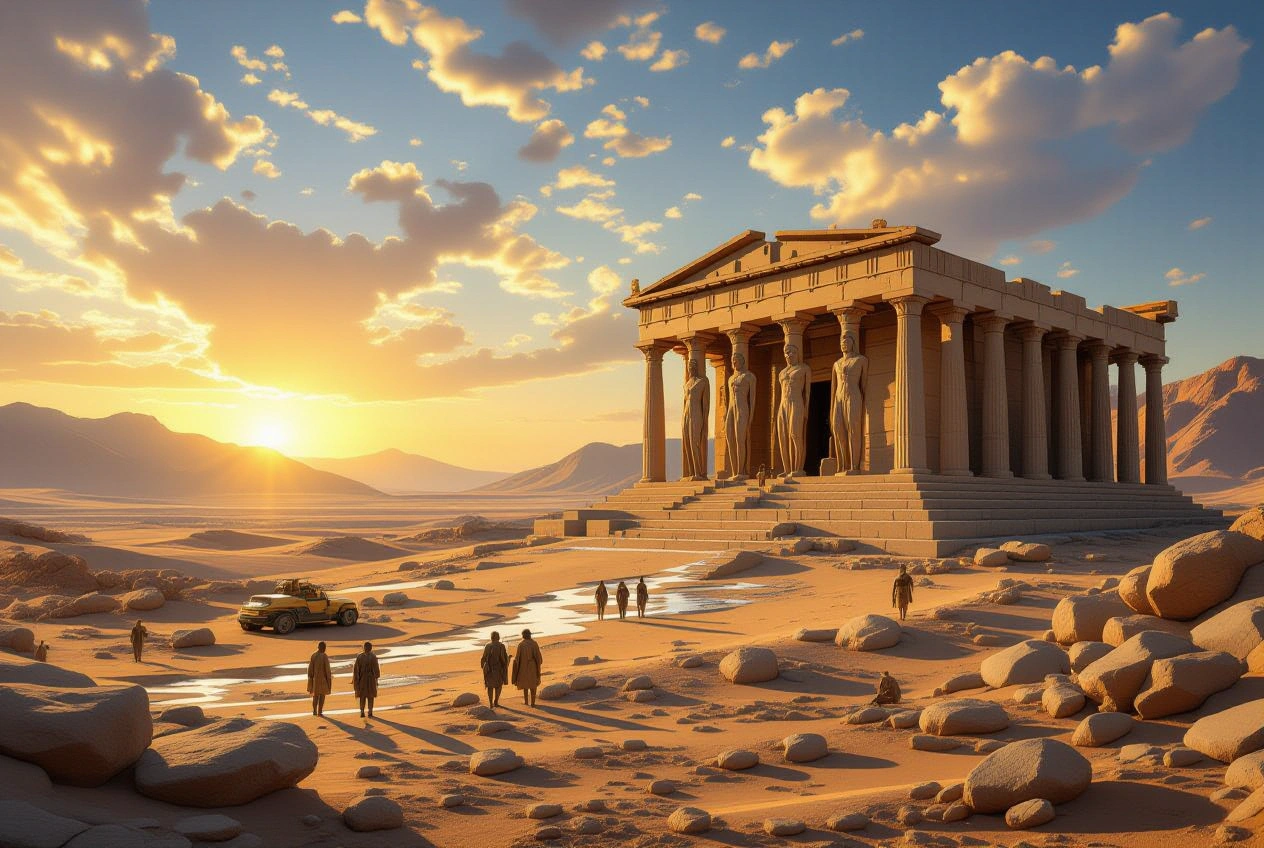
The Acropolis, perched above Athens is one of the largest and most impressive ancient Greek monuments still standing today. The Acropolis is home to the Parthenon and other masterpieces from classical Greek architecture and art. It was not only a place of worship, but the heart of Athens’ democratic government, and embodied the values of art, philosophy, and governance that shaped Western civilisation. The Acropolis’s architectural structures are a testament to the political and intellectual power of the city-state which forever changed the direction of human thought.
Insights from November 2025: This multi-decade project to restore the Acropolis is making significant progress. The scaffolding at the Parthenon’s north end will be removed in early 2026 to reveal newly conserved friezes and metopes. The debates surrounding the return of the Elgin Marbles, or Parthenon Sculptures, have attracted renewed attention internationally. Diplomatic efforts are being made to explore new avenues and possible long-term loan options. The Acropolis Museum also launched digital interactive guides, which use augmented reality and overlay original colors on the existing ruins.
Great Wall of China (China)
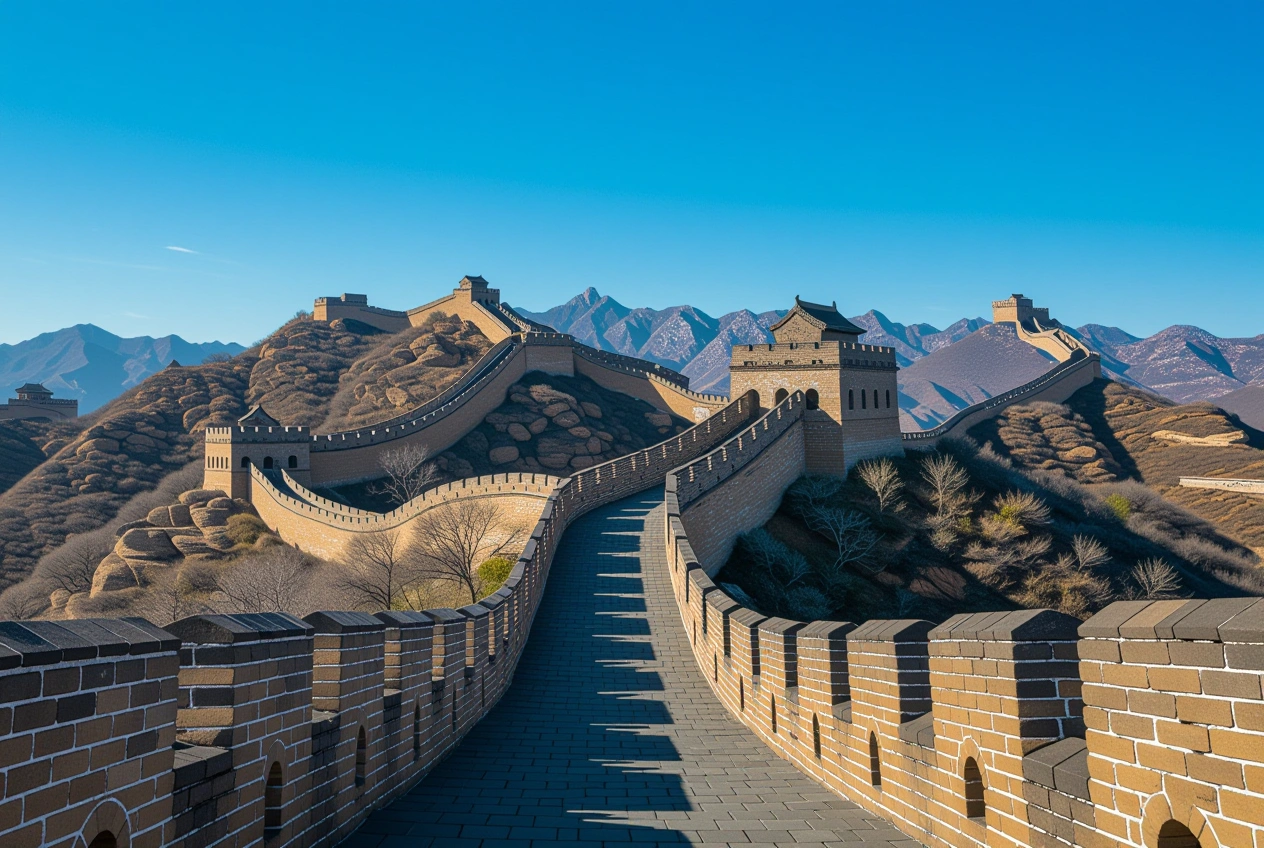
The Great Wall of China is a massive engineering feat that stretches thousands of kilometers through northern China. It’s perhaps the largest defensive structure built. The Great Wall was built in different forms from the 7th Century BCE, and expanded significantly during the Ming Dynasty (1365-1644). Its primary function was to defend Chinese empires and states against nomadic invasions. The Wall’s military role was important, but it also shaped Chinese culture, as it symbolized unity, resilience and the separation of the civilized south from the barbarian north. The Wall’s construction was a feat of organizational skill and human sacrifice, and it left a lasting mark both on the landscape and collective consciousness.
Insights from November 2025: Satellite imagery and drones have refined the mapping of Great Wall. They revealed previously unknown sections, especially in the province Gansu. The Wall may be longer than currently estimated, according to these discoveries announced late in 2024. The challenges of erosion from natural causes and human interference are still pressing. This has led to the development of innovative preservation methods, such as the use of biodegradable repair materials and AI-powered systems that detect damage instantly. To reduce the strain on popular tourist sites, tourism management strategies have evolved to better distribute tourists across sections.
Machu Picchu, Peru
Machu Picchu, a 15th century Inca citadel located high up in the Andes Mountains is often called the “Lost City of the Incas.” It was abandoned in the early 15th century during the Spanish Conquest. The exact purpose of this site is still a matter for debate among scholars, but it’s widely accepted that its original use may have been as a sacred religious or astronomical observatories. The complex dry-stone architecture, the intricate terraces and the harmonious integration of this site with the natural landscape are all testaments to the engineering genius and agricultural prowess of the Incas. Machu Picchu is a symbol of precolombian innovation and a spiritual connection with nature.
Insights from November 2025: Ongoing archeological studies continue to shed more light on Machu Picchu’s logistics and the wider network of Inca Trails. In early 2025, new research suggests that some terraces were used for a much larger agricultural system than was previously thought. This indicates a complex production system. Peru continues to prioritize efforts in managing overtourism, enforcing stricter visitor quotas as well as timed entry. Climate change assessments have also been conducted to monitor the foundations of the ancient site and their integrity against an increase in rainfall and earthquake activity.
Enduring Legacy
The iconic landmarks of different civilizations are united by a single thread, despite their geographical and historical separation. They embody the beliefs and aspirations and the innovative spirit that shaped them. These sites allow us to understand our common human heritage and the forces which shaped the present. We can also appreciate human creativity and resilience. These sites remind us that our history is more than a series of dates. It’s a story that has been carved into the stones.
Recommendations for General Use
Consider exploring these reputable sources for those who want to learn more about the history of mankind and marvels at historical sites.
- UNESCO World Heritage Centre : Official site of the World Heritage Centre, providing information about World Heritage sites worldwide, their importance, conservation status and educational resources.
- National Geographic History : Provides detailed articles and stunning photographs, as well as expert insight into historic events, archeological discoveries and cultural heritage.
- Smithsonian Magazine-History: Offers historical content that is often based on the most recent research and cultural analysis, as well as behind-the scenes looks at preservation initiatives.