Explore Iconic Landmarks that Shaped History and Culture
Certain places in human history have been silent witnesses of pivotal events, major achievements and cultural changes. The iconic landmarks of the past, be they natural or architectural wonders, are not only beautiful but offer us a glimpse into our history, providing valuable insights about the cultures that created them, and the historical events represented by these sites. These sites are a journey into the past, which reveals human innovation, faith, and struggles.
Ancient Wonders And Enduring Legacies
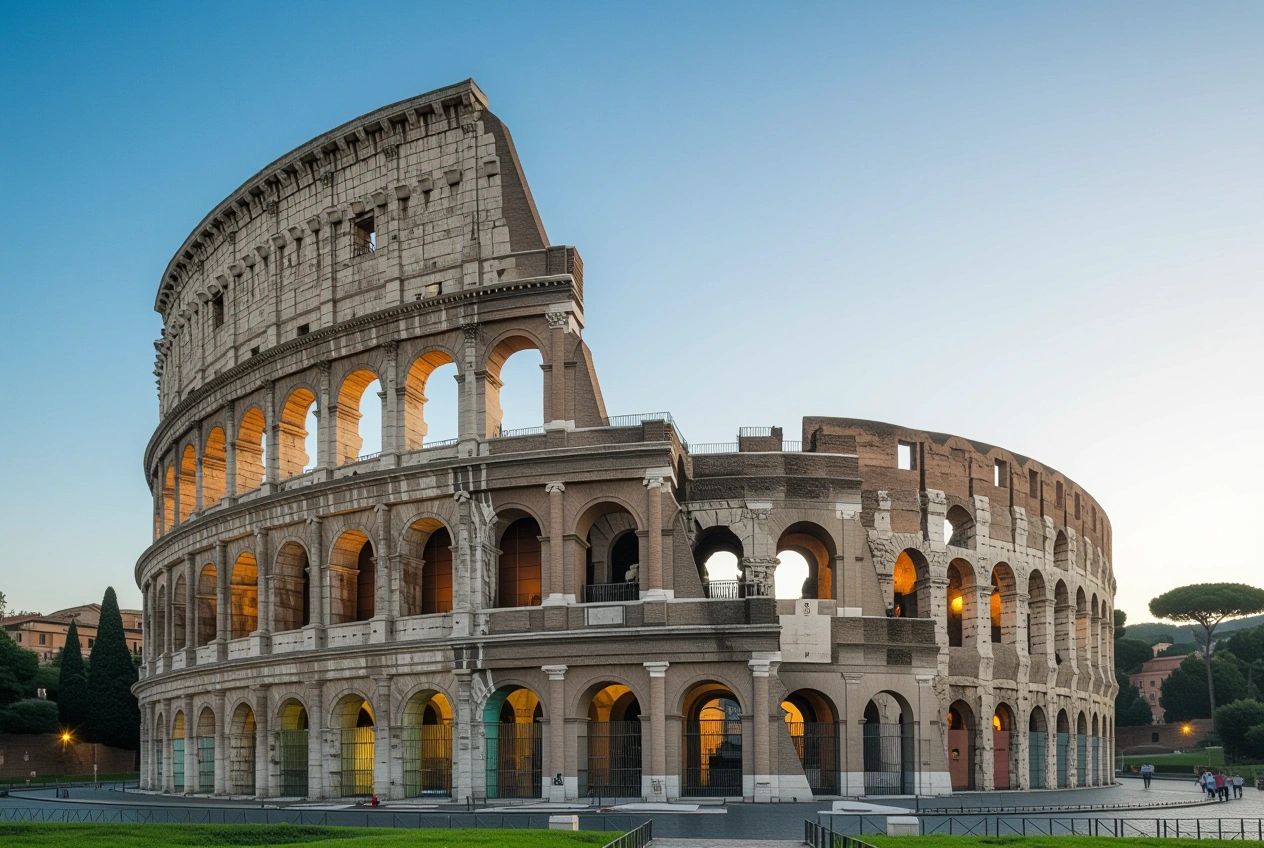
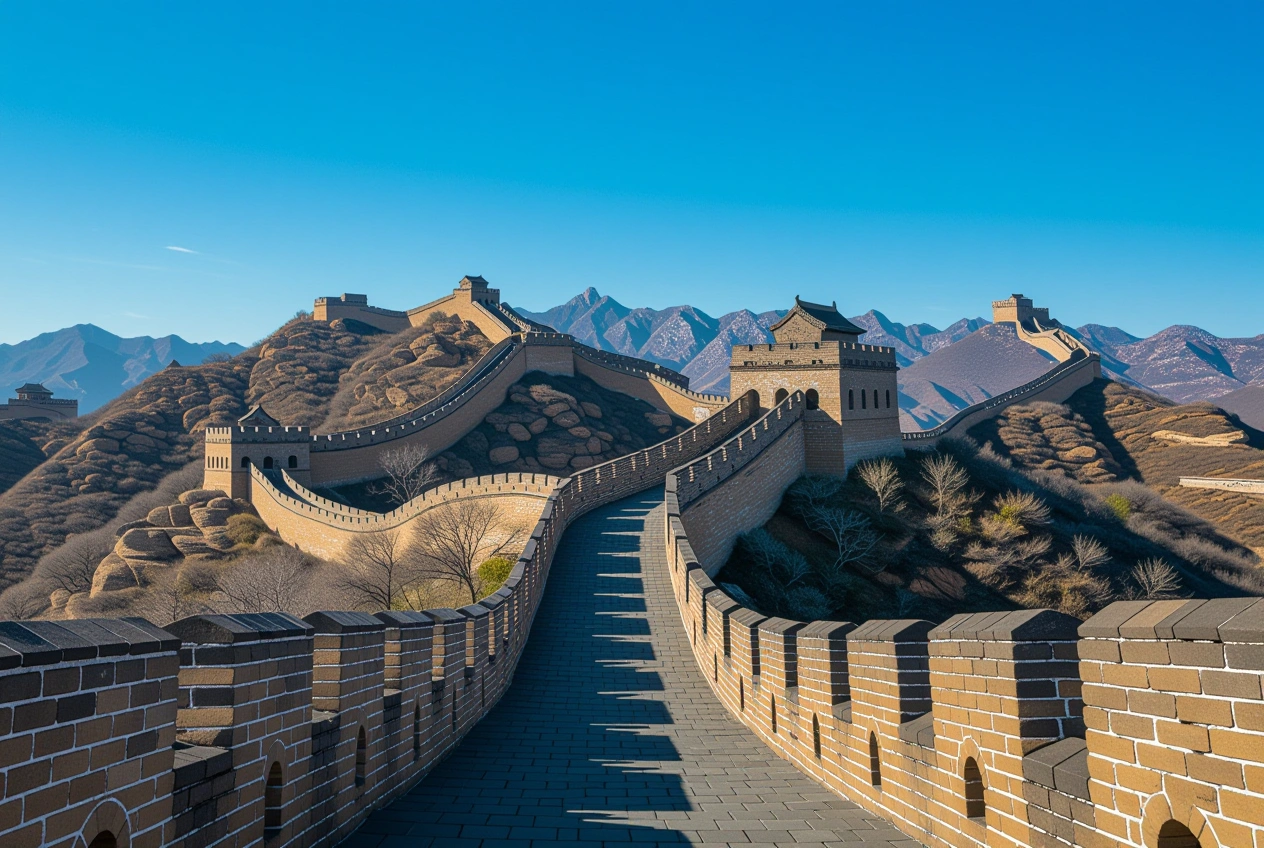
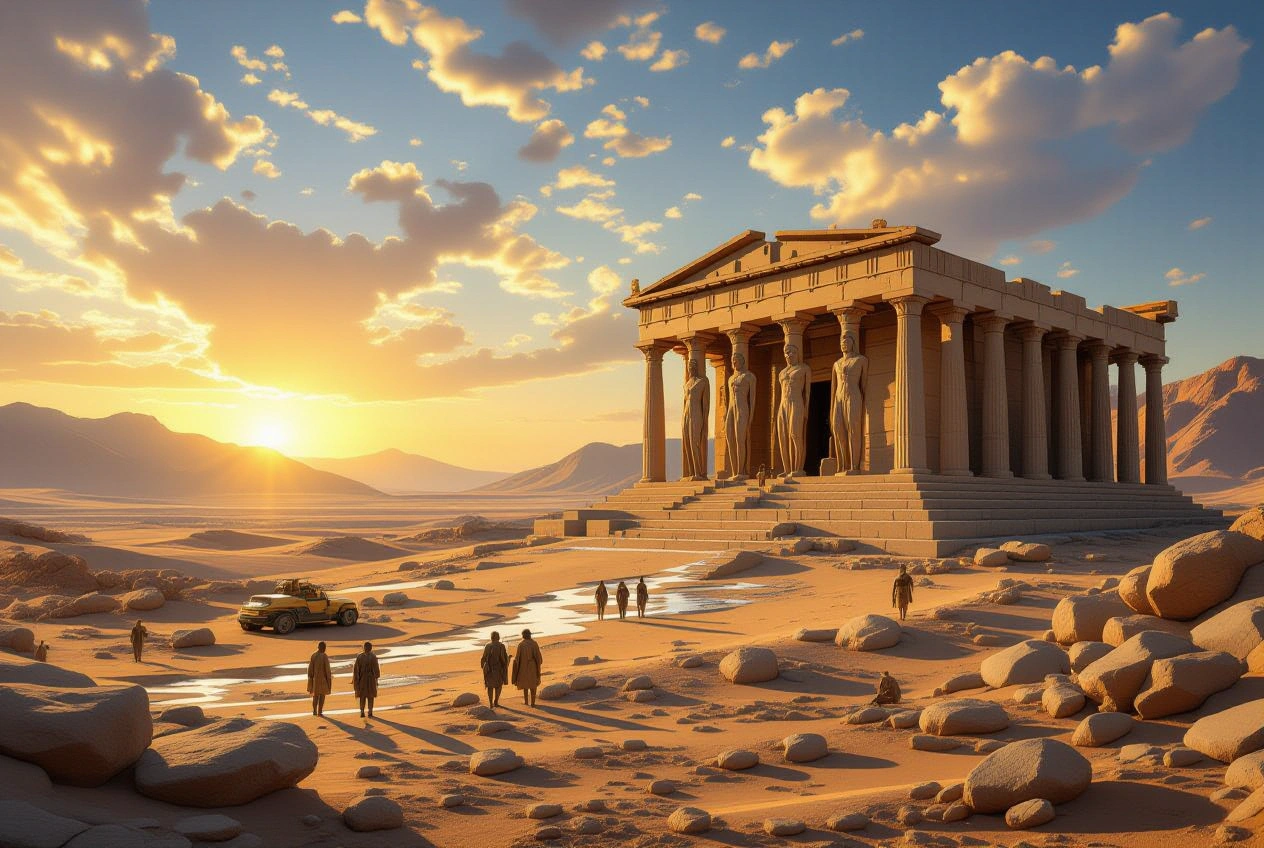
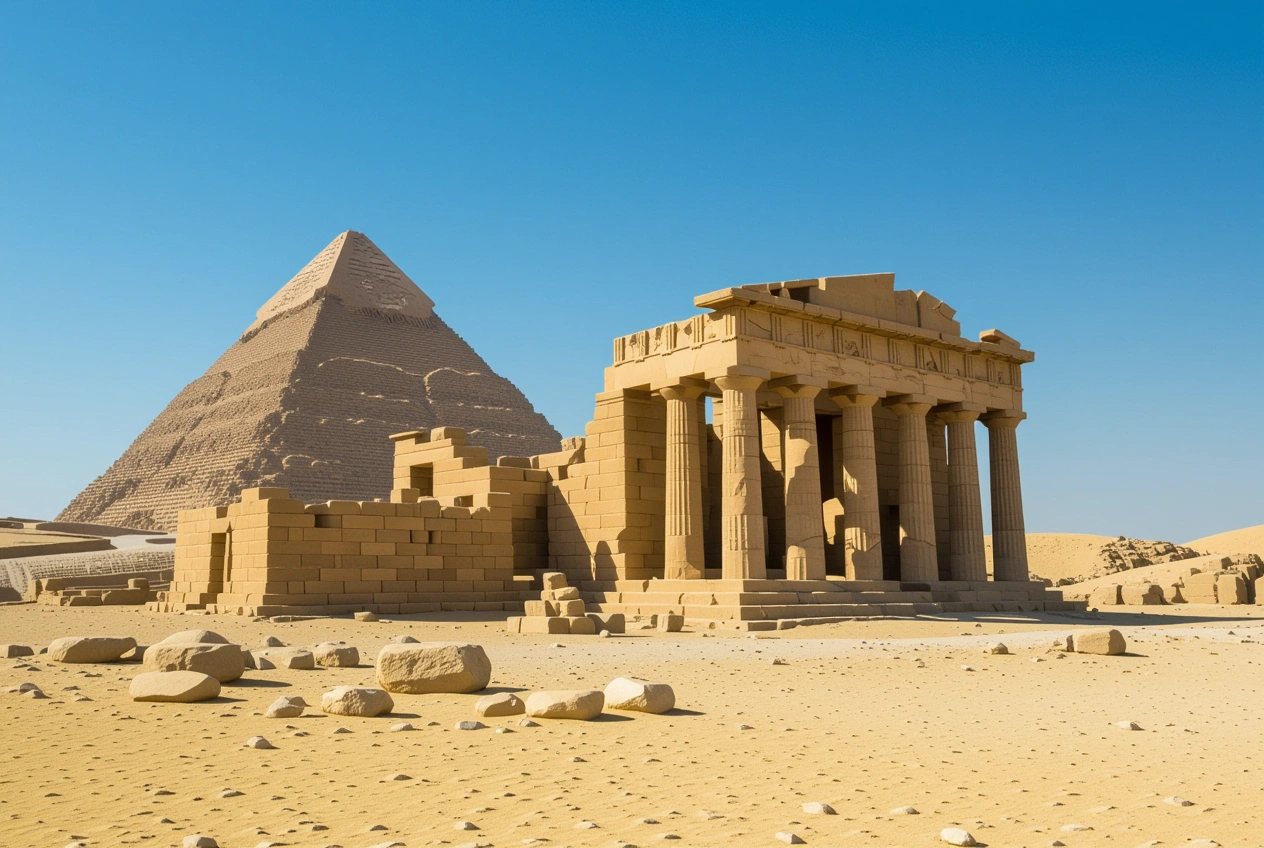
Structures from the dawn of civilisation continue to amaze and inspire. The Pyramids at Giza, which date back more than 4,500 years in Egypt, show the ancient Egyptians’ engineering skills and deep beliefs regarding afterlife. The colossal tombs are among the oldest and most iconic symbols from antiquity. Colosseum, built in Rome in 80 AD recalls vividly the splendor and power of Roman Empire. Gladiatorial competitions and other public displays entertained thousands. The amphitheaters of the past were influenced by its innovative design. The Great Wall of China is a massive series of fortifications that were built or rebuilt in the 7th Century BC. It’s an unmatched feat of engineering.
Medieval Marvels & Crossroads of Civilization
In the medieval period, and in its predecessors as well, humanity was also blessed with stunning sites which shaped culture and commerce. Petra, in Jordan today, was the capital city of Nabataean Kingdom, and flourished around 1st Century BC. It is carved into vibrant sandstone walls. Al-Khazneh, its iconic Treasury, is a masterpiece of rock-cut architectural design. In Istanbul, Turkey the Hagia Sophia is a beautiful example of Byzantine Architecture. It has served as a church, a mosque and a museum over centuries, reflecting religious and political changes. The enigmatic Inca Citadel of Machu Picchu is located in Peru’s Andes Mountains. It was built between 1450 and 1530 AD.
Modern Monuments and Symbols of Progress
In the last century, there have been many landmarks which represent human progress, liberty, and historical turning points. The Eiffel Tower, built in Paris for the World’s Fair of 1889, was initially controversial but soon became an icon of French romance and ingenuity. The Statue of Liberty was a gift given by France to the United States of America in 1886. It has been a beacon of democracy and freedom for millions of people. The Berlin Wall Memorial, in Germany, is a poignant reminder of Cold War divisions and how freedom and unity eventually triumphed.
They are not just old structures or natural formations. These landmarks tell a powerful story that invites us to reflect upon our common human history. The preservation of these landmarks ensures future generations will be able to continue learning from the rich tapestry they represent and being inspired.
General Recommendations
There are several online sources that offer detailed information as well as stunning images for those who want to learn more about the history and culture of our world.
- UNESCO World Heritage Centre : Official site of all UNESCO World Heritage sites, with detailed descriptions, photographs, and conservation efforts.
- National Geographic History : Provides articles and stunning photographs on historical events and ancient civilisations.
- History.com A resource that covers a wide range of historical subjects, with sections on ancient wonders and landmarks as well as cultural heritage.