Certain places in human history have been silent witnesses of pivotal events, architectural wonders and cultural changes. They are not just structures, but tangible links with our past. These landmarks embody the beliefs and ingenuity of ancient civilizations, as well as their struggles. Explore them to learn about the stories that shaped our planet.
Each site has a unique story to tell, from ancient marvels that are beyond modern comprehension to memorials built in more recent years. We invite you to join us as we explore the historical sites that inspire wonder and offer valuable lessons to humanity.
Ancient Wonders and Enduring Legacies
Civilization’s dawn left behind impressive evidence of human ingenuity and ambition.
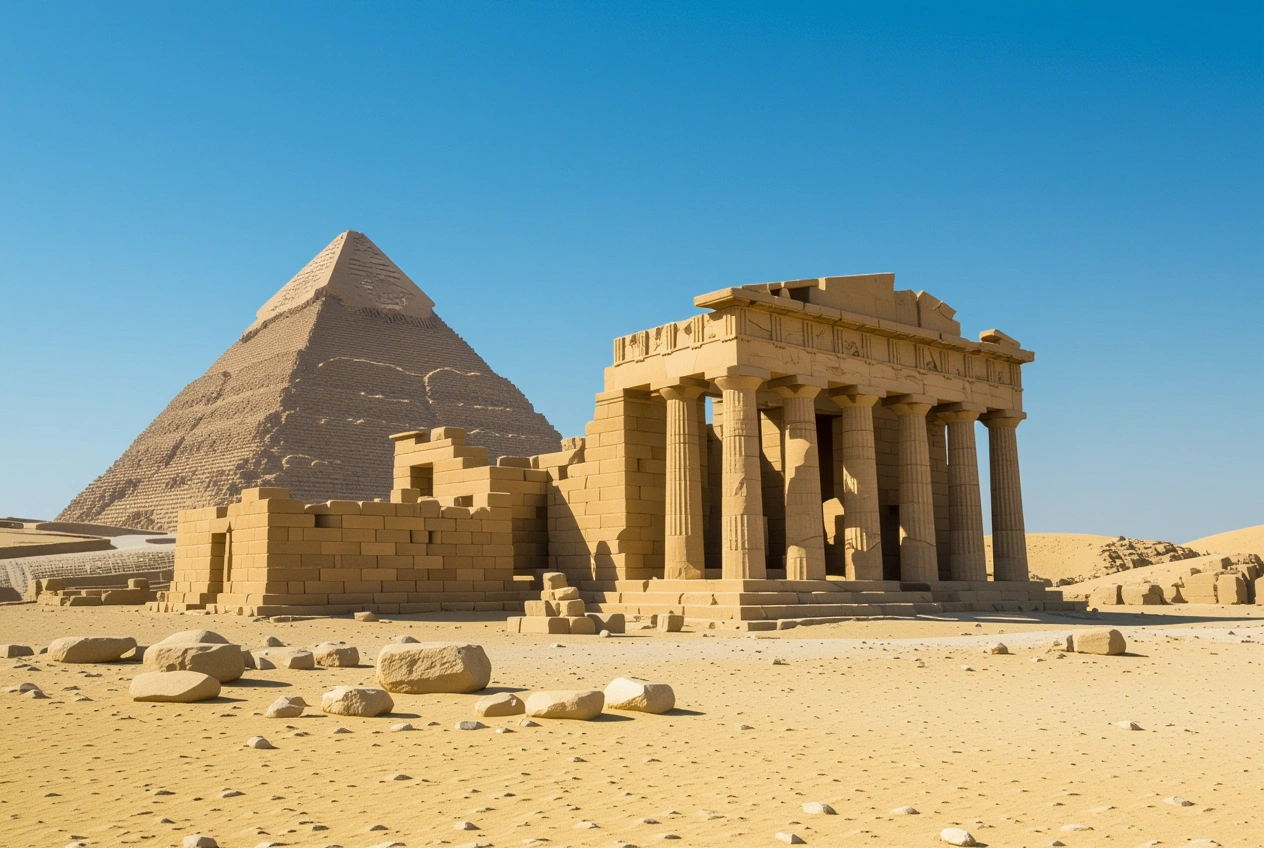
Pyramids of Giza in Egypt
The Great Pyramid of Khufu is the only one of the Seven Wonders of the Ancient World that still stands on the Giza Plateau near Cairo. These monumental tombs, built over 4,500 ago, represent the pinnacle of Old Kingdom Egyptian engineering and architecture. These tombs were built to be the eternal resting place for Pharaohs. They are believed to have facilitated their afterlife journey. Their precision and size continue to amaze researchers. Conservation efforts and archeological explorations continue in the area until 2024. This will provide new insight into the construction of the pyramids and their builders.
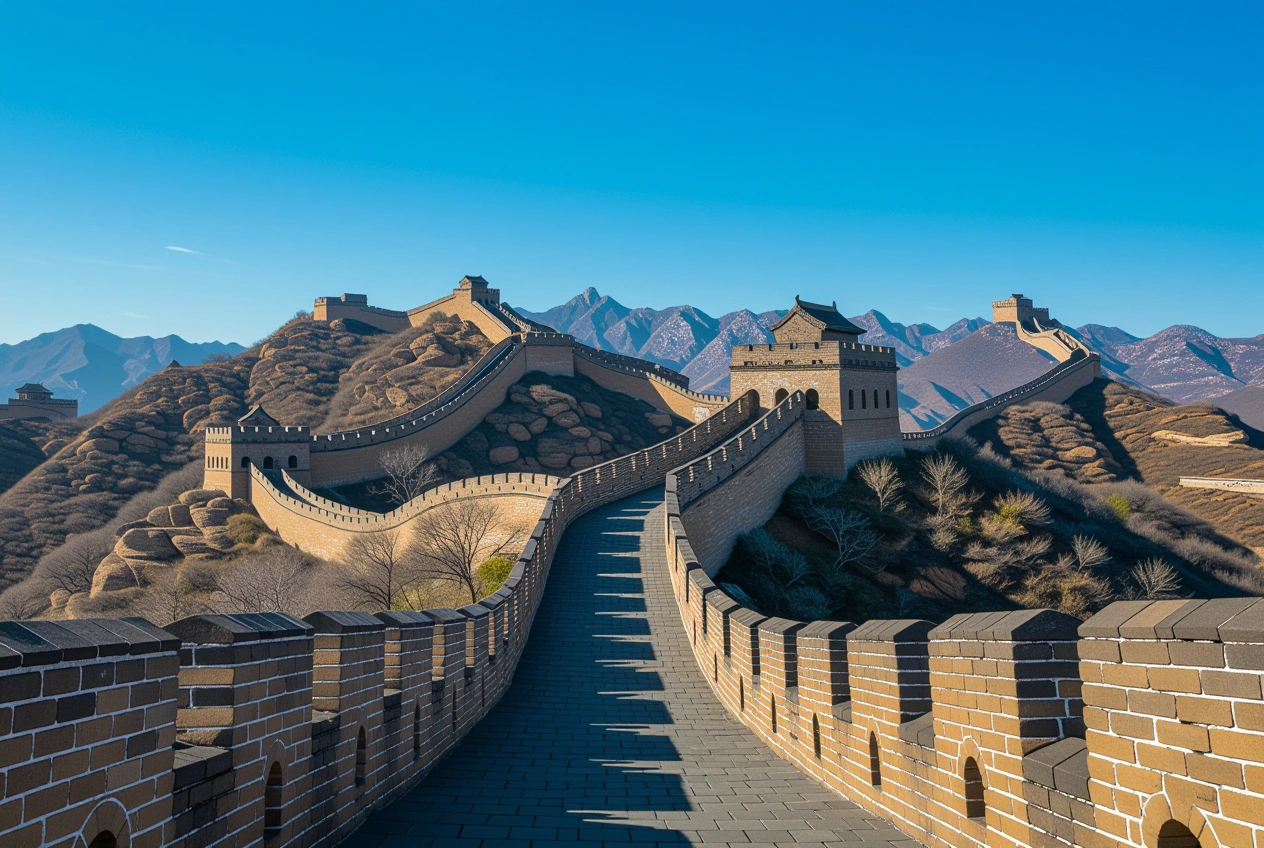
Great Wall of China
The Great Wall of China is an extensive series of fortifications that stretches thousands of kilometers through northern China. It was built by different dynasties and rebuilt over two millennia. The wall’s main purpose was to defend Chinese empires and states against nomad incursions coming from the north. The wall, which was built during the Ming Dynasty (1365-1644 AD), is an iconic symbol of Chinese resilience and strength. The wall is one of the largest construction projects in history, and can be seen from space.
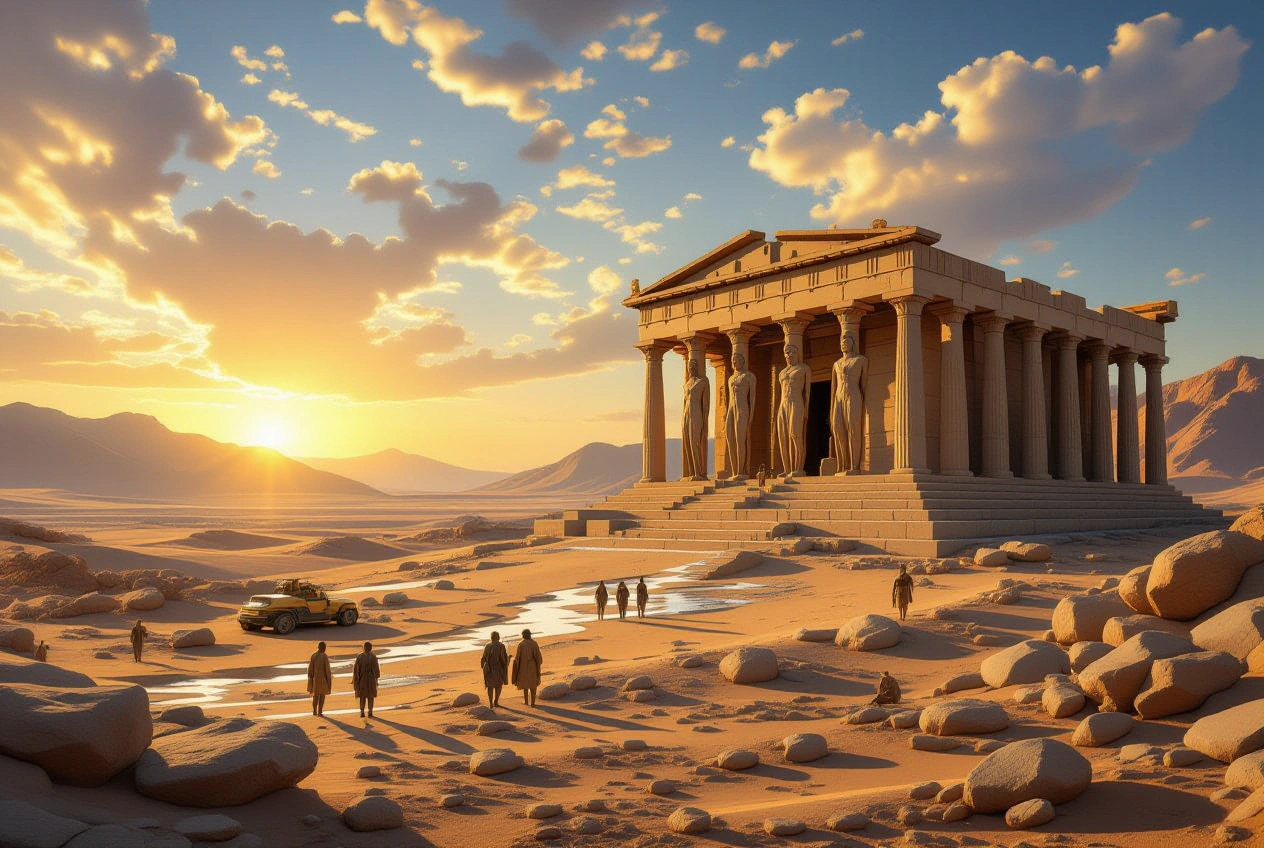
Acropolis in Athens (Greece)
The Acropolis, perched above Athens city, is a citadel that houses the remains of ancient structures of architectural and historic significance. Of these, the Parthenon, which was the first, is the most well-known. The sacred rock of Athens was a center of culture, democracy and philosophy in ancient Athens. The Parthenon and Erechtheion are examples of Doric-Ionic temple architecture that reflect the brilliance and intellectual prowess of the 5th Century BC. The ongoing restoration of these irreplaceable monuments ensures their preservation for future generations.
Medieval Marvels & Cultural Crossroads
In the centuries that followed, empires were born whose cultural and technological innovations left indelible traces.
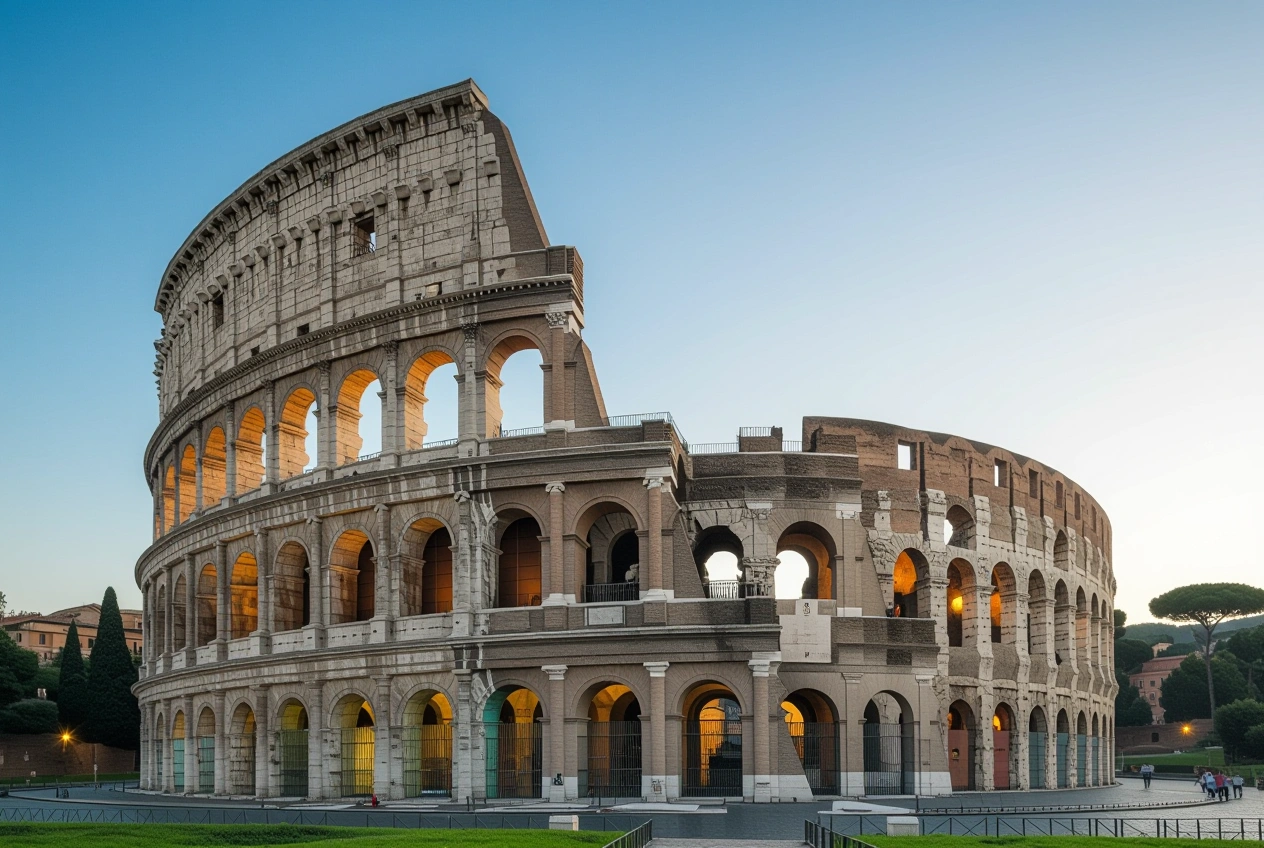
The Colosseum in Rome, Italy
This iconic Colosseum is a symbol of Imperial Rome. This massive arena, which was completed in 80 AD and could accommodate between 50,000 to 80,000 spectators, was used for gladiatorial competitions, animal hunting, public executions and reenactments. The arena’s clever engineering, which included a system of underground passages with trapdoors was a wonder of Roman architecture. It also reflected the social and entertainment structures at the time. The site is still one of the most popular in Italy.
Machu Picchu, Peru
Machu Picchu, a 15th century Inca citadel nestled in the Andes Mountains is often called the “Lost City of the Incas”. It was abandoned in the early 15th century during the Spanish Conquest. The purpose of this site, which dates back to 1450 AD, is still a matter for debate. Theories range from royal estates to sacred religious sites. Its stunning terraced terrain, advanced dry-stone architecture, and harmony with the natural environment make it one the most impressive archaeological sites on the planet. The site is protected by a strict access policy to protect its fragile environment.
Hagia Sophia Grand Mosque in Istanbul, Turkey
Hagia Sophia was originally built in 537 AD as a Byzantine Cathedral. It served as the world’s largest Christian Church for almost a 1000 years. It was first converted to a Mosque in 1453. Then, in 1934 it became a Museum. And, most recently, in July 2020, back into a Mosque. The massive dome, intricate mosaics and fusion of Roman, Byzantine and Ottoman engineering and artistic traditions make this architectural masterpiece a world-renowned landmark. This architectural masterpiece is a symbol of Istanbul’s multicultural past and the city’s position as a link between East and Western.
The Modern Icons of Global Impact
In recent times, we have also seen landmarks built to commemorate important human ideals and historical events.
Statue of Liberty in New York City, USA
The Statue of Liberty, a gift of France from France to America, was unveiled in 1886. Lady Liberty, standing proudly in New York Harbor on Liberty Island, has been a symbol of democracy and freedom for many years. She is also a beacon welcoming immigrants to America. The torch in her hands illuminates the way to freedom, and the tablet she holds bears the date of America’s Declaration of Independence. This remains an impressive monument of international friendship and universal rights.
Auschwitz-Birkenau Memorial and Museum in Poland
Auschwitz Birkenau, the biggest Nazi concentration camp and extermination site during World War II, is a stark reminder of mankind’s darkest chapter. It is located near Oswiecim in Poland and was the primary location of the Holocaust. Over 1.1 millions people were killed, mainly Jews. It is a UNESCO World Heritage Site, a memorial and museum that serves as an educational and emotional center. Auschwitz Birkenau offers a deeply moving and important experience for those who wish to understand the horrors of the past, and promote tolerance and peace.
They are not just beautiful, they teach us more about the human spirit, their triumphs and tragedies. Understanding and preserving them are crucial to understanding our global heritage, and shaping an informed future.
General Recommendations
Explore the following reliable resources for more information on these historical sites and how to plan your visit.
- UNESCO World Heritage Centre : Official site of all UNESCO World Heritage sites, providing detailed descriptions and history as well as conservation efforts.
- National Geographic History Offers articles and stunning photographs on archaeological sites and ancient cultures, as well as educational material.
- Smithsonian Magazine’s History Section: Provides well-researched news and articles on historic events, artifacts and important places throughout the world.