Find the best kid-friendly products: Safe, fun, and engaging for every age.
When choosing the best products for your children, it is more than entertainment. It’s also about encouraging development, assuring safety and enhancing curiosity. Parents and caregivers in a market that is rapidly changing are searching for products which not only engage young minds, but also adhere to strict safety regulations and provide lasting value. The perfect item can enhance a child’s life in many ways, from innovative educational toys to open-ended classics.
Important considerations for Kid-Friendly products
Understanding what makes a child-friendly product is important before diving into recommendations. These are the most important factors you should keep in mind.
- Safety first: Check for safety certificates such as CPSIA in the U.S.A., CE in Europe and ASTM International Standards. To prevent injuries or choking hazards, look for materials that are non-toxic, durable construction and designed with age appropriate design.
- Educational value & Engagement: Best products promote active participation, creative problem solving, critical thinking, and creativity. Choose items that will grow with your child and offer a variety of ways to play.
- Durability and Quality: Products for children should be able to withstand rough play. The use of high-quality construction and materials will ensure that the product is durable, resulting in a more cost effective investment.
- Age Appropriateness Product should be aligned with the child’s development stage in order to maximize learning and engagement, while preventing boredom or frustration.
- Sustainability and Ethics: An increasing trend is to focus on eco-friendly material (recycled wood, sustainable bamboo, minimal packaging), ethical manufacturing practices, and minimal packaging.
The Top Products Categories (Trends Up to November 2025)
For Toddlers & Preschoolers (Ages 1-5)
Sensory exploration, the development of fine motor skills, and imaginative games are important at this age. Ideal products are those that promote hands-on learning and cause-and effect.
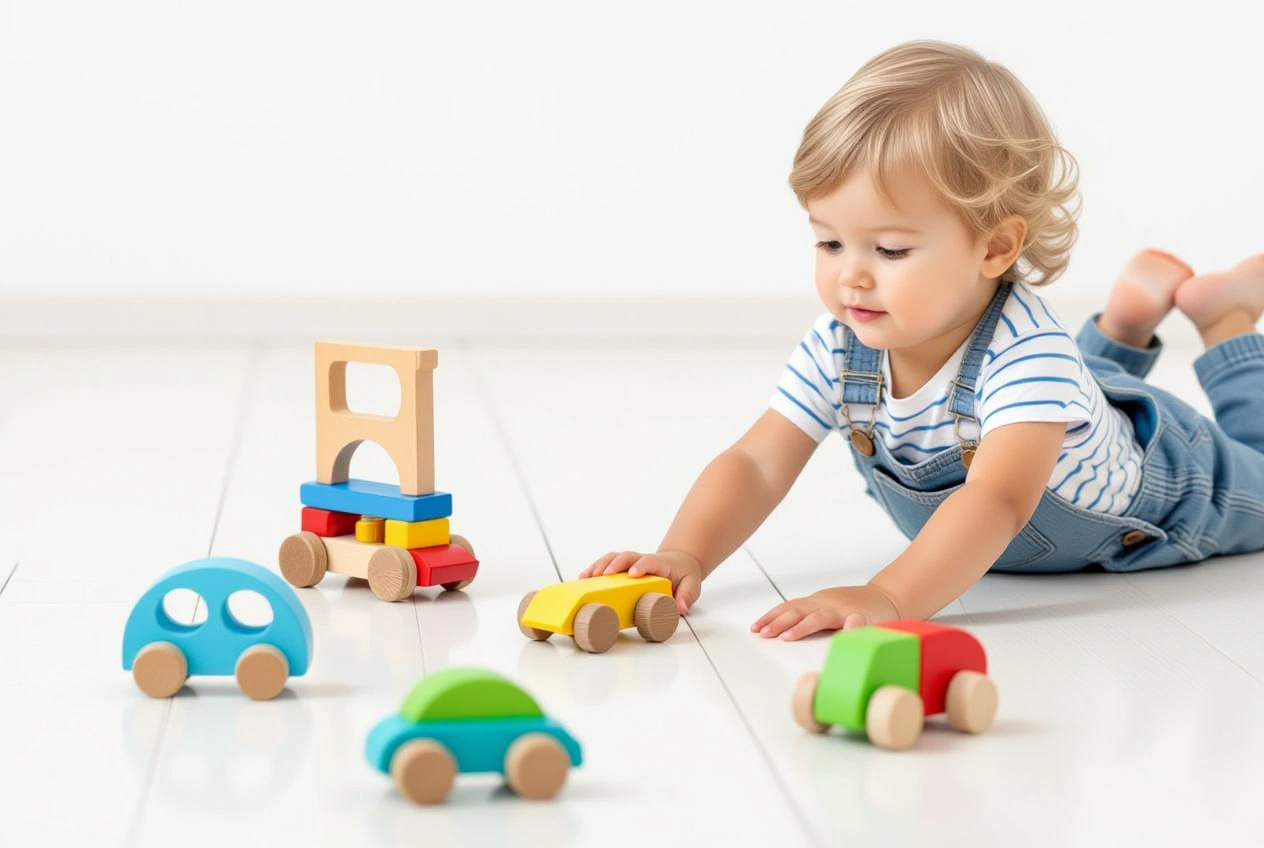
- Sensory bins and Playdough kits: Encourage tactile exploration, creative expression, and fine motor skill development. There are many brands that offer non-toxic, natural doughs as well as sensory materials sourced sustainably.
- Large building blocks (e.g. DUPLO or wooden blocks): Important for the development of spatial reasoning, early engineering skills, and problem solving. Choose sets that promote open-ended building.
- Interactive Storybooks & Board Books : These books encourage early literacy, as they feature lift-the flaps, simple stories, and textures. There are hybrid digital-physical books that offer AR experiences.
- Push and Pull Toys: Ideal for encouraging gross motor skills and movement. Often made of durable wood or recycled plastics.
The Early Elementary School (Ages 6 to 9)
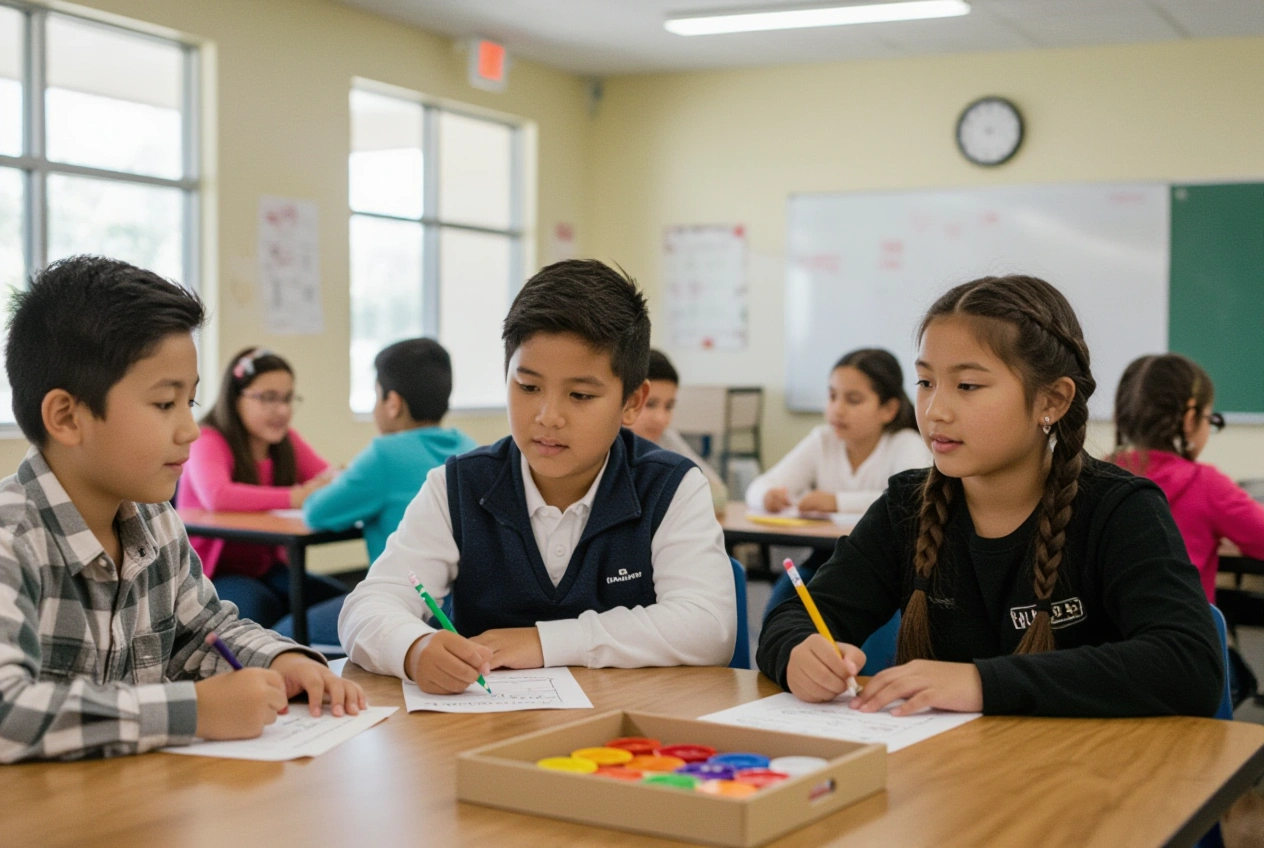
This age group is characterized by a more sophisticated cognitive ability, an intense interest in the workings of things, and a strong desire to interact with others. The STEM/STEAM products (Science, Technology, engineering, arts, math) are very popular.
- STEM/STEAM kits: Simple circuit builders, Chemistry sets, Robotics Kits, and Coding Games (such as screen-free robots that code without a computer) all introduce scientific and technical concepts.
- Creative Arts & Crafts Materials: High quality art supplies (paints and drawing tools) promote self-expression, fine motor skills, and creativity. Natural dyes, recycled paper and eco-friendly products are becoming more popular.
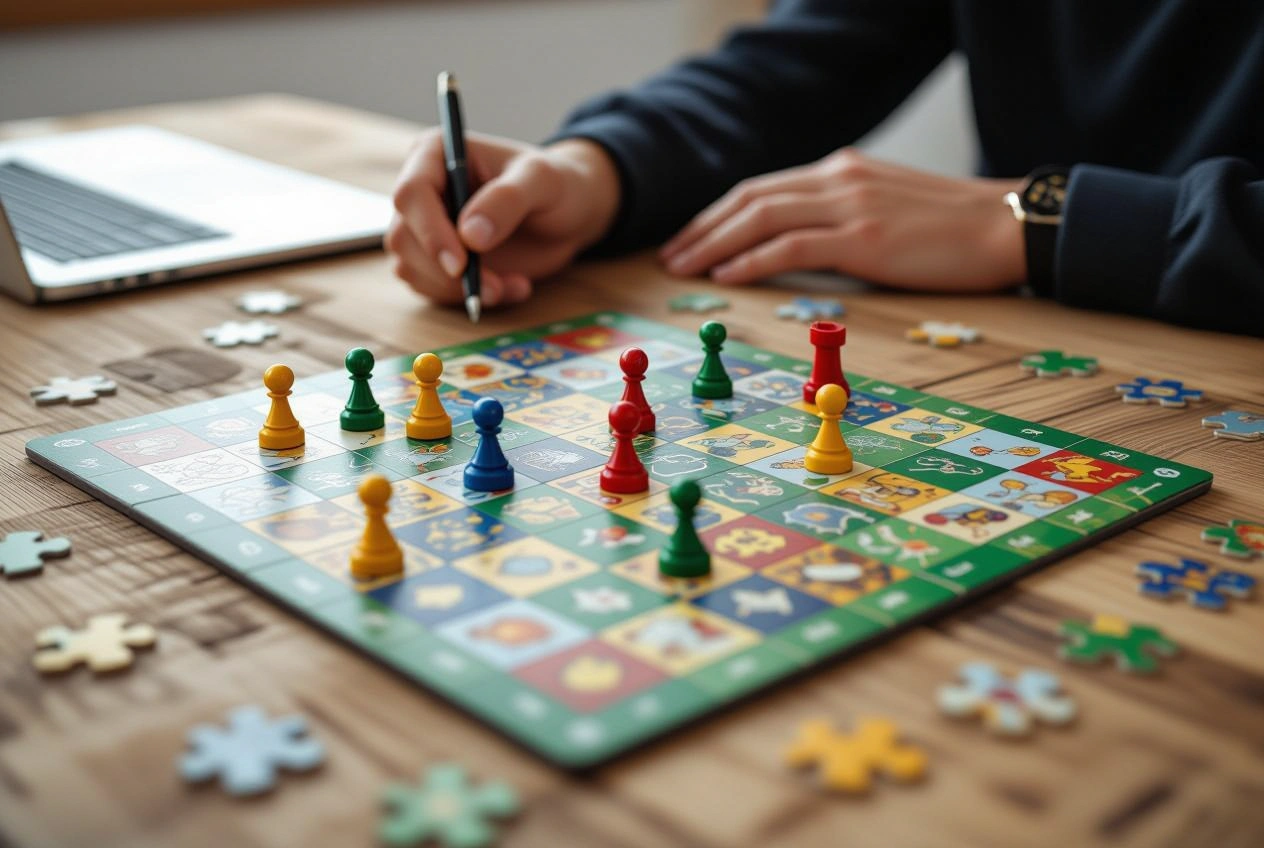
- Strategy Board Games & Card Games : Encourage critical thinking, sportsmanship, and social skills. Most new games are based on cooperation rather than competition.
- Outdoor Adventure Gear Binoculars and magnifying lenses, gardening tools and sports equipment are all great for encouraging physical activity and exploration. They also align with the renewed emphasis on nature play.
The Upper Elementary and Preteens (10-12 years old)
The group is also interested in products with a higher level of personalisation and engagement. The importance of digital literacy and environmental awareness is also increasing.
- Building sets for advanced construction (e.g. LEGO Technic or intricate model kits). These complex building challenges promote patience, precision and an understanding of engineering.
- Coding and Robotics platforms: Kits that are more sophisticated, introducing actual programming concepts. They often integrate apps to allow for interactive creation. AI-powered learning toys now offer personalized paths.
- Maker Kits & DIY: These kits encourage creativity and innovation.
- Education Subscription Boxes Curated box that delivers themed activities, books or experiments to keep learning exciting. Many of these boxes now concentrate on environmental science or global cultures.
- Immersive & Interactive Games: Games that combine physical interactivity (e.g. AR enhanced board games), or virtual reality that is educational and safe.
What to watch for in the future of kid-friendly products
As we approach the end of 2025, there are several trends that will shape the landscape for kid-friendly products:
- Hyper-Personalization: AI-driven toys offering adaptive learning experiences tailored to individual child’s pace and interests.
- Sustainable as Standard: You can expect more products to be made of ocean plastics, biobased materials and compostable packaging.
- Digital Wellness Integration Products which cleverly combine screen time and physical activity, or mindfulness exercises to promote balanced development.
- Playing games and toys that focus on social-emotional learning (SEL). Games and toys designed to teach children how to manage their emotions, develop empathy and build healthy relationships.
- Inclusive design: products designed to be enjoyable and accessible for children of diverse abilities. They promote universal play.
The best products for children are the ones that bring joy to a child, promote growth and create a secure environment where they can explore. You can choose items with a lasting impact by prioritizing safety and engagement.
General Recommendations
Visit these trusted resources for more information about toy safety, development play and product reviews:
- U.S. Consumer Product Safety Commission: Consumer Product Safety Commission is essential for understanding safety standards, recalls and toy safety.
- National Association for the Education of Young Children: Provides information on child development and play.
- Parents.com : Offers parenting articles and product reviews.